Unlocking Visual Impact: A Comprehensive Guide to the Buried Hopper Display Font
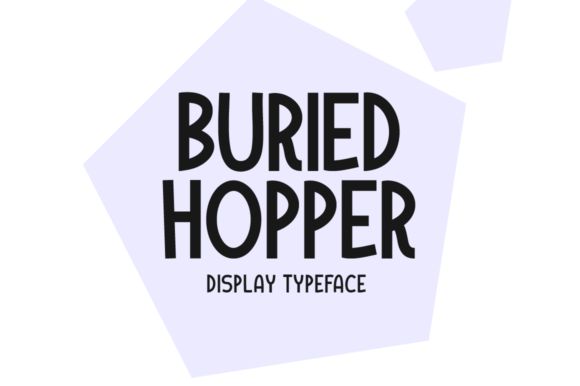
In the vast and ever-evolving landscape of graphic design, typography serves as the voice of your visual message. It is not merely about choosing letters that are legible; it is about selecting a typeface that conveys emotion, establishes brand identity, and captures attention in a split second. Among the myriad of options available to designers today, Buried Hopper has emerged as a standout choice. As a brand new display font, it represents a fresh wave of creativity perfectly suited for a diverse array of applications, ranging from stationery and logos to t-shirts and music covers.
For those unfamiliar with the term, a "display font" is a category of typeface designed specifically for use at large sizes, such as headlines, titles, and posters, rather than for long bodies of text. Buried Hopper fits this definition with precision, offering a unique aesthetic that bridges the gap between modern minimalism and expressive character. This article aims to explore what makes Buried Hopper significant, how it fits into modern creative workflows, and why it might be the missing piece in your next design project.
Understanding the Essence of Buried Hopper
To truly appreciate Buried Hopper, one must first understand the role of display typography in communication. Unlike serif or sans-serif fonts used for reading articles or books, display fonts like Buried Hopper are engineered to make a statement. They often feature distinctive shapes, varying stroke weights, and unique stylistic quirks that draw the eye immediately.
Buried Hopper distinguishes itself through its versatile geometry and approachable yet bold personality. While specific character details can vary based on the foundry's vision, fonts in this tier typically offer a balance of structure and flair. The name itself suggests something hidden yet dynamic—"Buried" implying depth or foundation, and "Hopper" suggesting movement or energy. When applied to design, this translates into a typeface that feels grounded but lively, making it an excellent candidate for brands that want to appear both reliable and innovative.
One common misunderstanding among beginners is that display fonts are too specialized for general use. However, the beauty of a well-crafted font like Buried Hopper lies in its adaptability. It is not restricted to a single niche; rather, it acts as a chameleon that changes its color based on the context in which it is placed.
The Versatility Across Mediums
The true test of a typeface is its ability to perform across different mediums without losing its integrity. Buried Hopper has been explicitly curated to excel in a wide spectrum of design scenarios. Let us delve into some of the primary applications where this font shines:
- Logos and Branding: A logo is the face of a business. Buried Hopper provides the distinctiveness required to make a logo memorable. Whether for a tech startup or a boutique coffee shop, the font's unique letterforms ensure that the brand stands out in a crowded marketplace.
- Stationery and Paper Goods: From business cards to wedding invitations, the tactile nature of paper demands a font with presence. Buried Hopper adds a touch of sophistication and personality to physical print materials, making them feel premium and thoughtful.
- T-Shirt and Apparel Design: In the world of fashion, typography is often the main graphic element. The bold strokes of Buried Hopper translate beautifully onto fabric, making it ideal for streetwear lines, band merchandise, or corporate uniforms.
- Website Headers: In digital design, the header is the first thing a user sees. Using Buried Hopper here can instantly set the tone for the entire website, guiding the user's emotional response before they even read the content.
- Music Covers and Posters: The music industry relies heavily on visual impact to sell albums and promote tours. Buried Hopper's dynamic style fits perfectly with album art and concert posters, capturing the energy of the sound it represents.
- Flyers and Image Sliders: For promotional materials that need to convey information quickly, such as event flyers or website sliders, this font ensures that the key message is read and understood instantly.
Practical Relevance in Modern Business and Creativity
Why does a font like Buried Hopper matter in the context of modern business and daily activities? We live in an attention economy. Whether scrolling through social media, walking down a busy street, or browsing an online store, consumers are bombarded with visual stimuli. To cut through the noise, businesses and creators must leverage tools that maximize impact with minimal effort.
Typography is often the most cost-effective way to elevate a design. You do not always need expensive photography or complex illustrations to create a stunning visual; sometimes, the right font is all you need. Buried Hopper allows small business owners, freelance designers, and marketing teams to create professional-grade assets without needing advanced illustration skills.
Consider a local bakery launching a new seasonal menu. By using Buried Hopper for their flyer headers and photo frames on Instagram, they instantly communicate a sense of fun and freshness. Similarly, a technology conference can utilize the same font for their website headers and badge designs to project a image of modernity and forward-thinking. The font becomes a bridge between the creator's intent and the audience's perception.
Clarifying Common Assumptions
It is important to address a few assumptions that often arise when adopting a new display font. Firstly, some designers worry that a "trendy" new font will quickly become dated. While trends do cycle, high-quality display fonts like Buried Hopper are usually designed with timeless geometric principles that allow them to age gracefully. Their uniqueness often protects them from feeling generic, even as styles shift.
Secondly, there is a belief that display fonts are difficult to pair with other typefaces. On the contrary, because Buried Hopper is so distinct, it pairs exceptionally well with simple, neutral sans-serif or serif fonts for body text. The contrast between the expressive header and the clean body copy creates a balanced and readable hierarchy. For example, pairing Buried Hopper with a light weight geometric sans-serif for the paragraph text can create a magazine-style layout that is both engaging and easy to read.
Integrating Buried Hopper into Your Workflow
For educators, students, and professionals looking to integrate Buried Hopper into their projects, the process is straightforward but requires a strategic mindset. Here is a logical approach to utilizing this font effectively:
- Identify the Core Message: Before applying the font, ask yourself what emotion you want to evoke. Is it excitement? Reliability? Creativity? Ensure the vibe of Buried Hopper aligns with your goal.
- Choose the Right Medium: Decide if your project is for print (paper, t-shirt, poster) or digital (website header, image slider). Adjust the tracking (spacing between letters) and leading (line height) accordingly, as screen resolution and print ink behave differently.
- Experiment with Scale: Display fonts are meant to be big. Do not be afraid to push the size limits. Try using Buried Hopper as a massive background element or a tight crop in a photo frame to create depth.
- Maintain Legibility: While style is important, clarity is king. Ensure that the unique characteristics of the letters do not hinder readability, especially in flyers or music covers where information must be consumed quickly.
The Broader Impact on Design Culture
The release of fonts like Buried Hopper signifies a broader shift in design culture towards personalization and expression. In an era where templates and AI-generated content are becoming ubiquitous, choosing a distinctive, human-curated typeface is a way to reclaim authenticity. It allows designers to inject a piece of their soul into their work, ensuring that no two projects look exactly alike.
Furthermore, the accessibility of such fonts democratizes design. It empowers non-designers—such as teachers creating classroom posters, musicians designing their own merch, or entrepreneurs building their brand—to produce work that looks professional and polished. This levels the playing field, allowing creativity to flourish regardless of budget or technical expertise.
In conclusion, Buried Hopper is more than just a collection of letters; it is a tool for storytelling. Whether you are designing a logo that will define a company for decades, a t-shirt that expresses a subculture, or a website header that welcomes visitors, this font offers the versatility and character needed to succeed. By understanding its purpose and applying it with intention, you can transform ordinary designs into extraordinary experiences. As we continue to navigate a visually saturated world, embracing tools that enhance clarity and beauty, like Buried Hopper, remains essential for anyone involved in the creative arts.