Exploring the Appeal of Symmetrical Wood
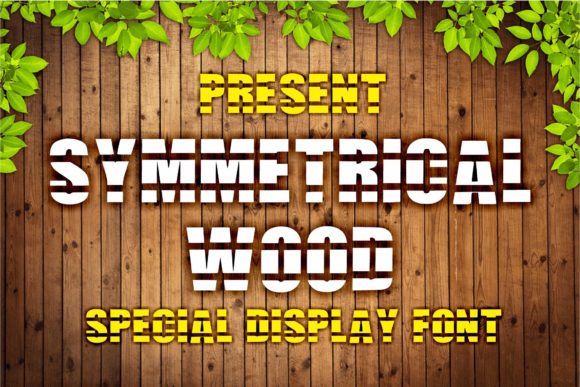
Symmetrical Wood is a distinctive display font that combines a rustic aesthetic with a modern, bold appearance. Designed for versatility, it offers a unique visual identity that can enhance a wide range of creative projects. From crafts to digital designs, this font stands out due to its organic feel and structured symmetry. Understanding its characteristics can help users determine if it aligns with their design goals.
What Is Symmetrical Wood?
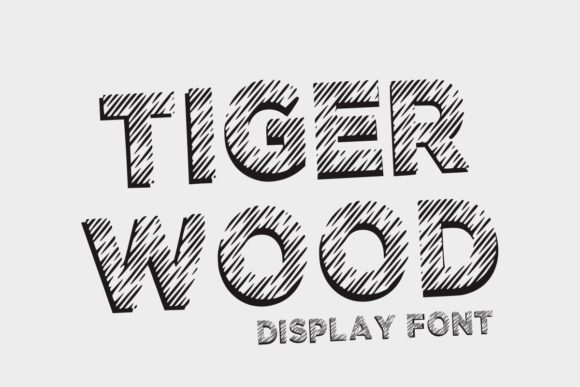
Symmetrical Wood is a typeface that blends traditional craftsmanship with contemporary design elements. Its name suggests a balance between natural textures and geometric precision, resulting in a font that feels both handcrafted and intentional. The characters are designed with a consistent width and alignment, giving them a clean, symmetrical look while maintaining an earthy, tactile quality. This combination makes it ideal for projects that aim to evoke a sense of authenticity and warmth.
Why Consider Symmetrical Wood?
Designers and creators may find Symmetrical Wood appealing for several reasons. Its rustic yet refined appearance can add character to branding, packaging, or promotional materials. The font’s organic vibe makes it particularly well-suited for industries that emphasize sustainability, handmade products, or nature-inspired themes. Additionally, its bold structure ensures readability even at smaller sizes, making it a practical choice for various applications.
For those working on t-shirts, posters, or digital graphics, Symmetrical Wood provides a strong visual presence without overwhelming the design. It works well in both minimalistic and layered compositions, offering flexibility for different creative directions.
Benefits of Using Symmetrical Wood
One of the key advantages of Symmetrical Wood is its ability to convey a sense of authenticity. The font’s texture and structure can make designs feel more approachable and grounded, which is beneficial for brands looking to connect with audiences on a personal level. Its symmetry also contributes to a polished, professional look, ensuring that the final product appears cohesive and well-crafted.
Another benefit is its adaptability. Whether used in print or digital formats, the font maintains its visual integrity across different mediums. This makes it a reliable choice for designers who need a consistent look across multiple platforms.
Considerations and Tradeoffs
While Symmetrical Wood has many strengths, it may not be the best fit for every project. Its bold and textured appearance can sometimes compete with other design elements, requiring careful balancing to avoid clutter. In minimalist or highly technical contexts, the font’s organic style might not align with the desired aesthetic.
Additionally, the font’s unique design may limit its availability in standard software or online tools. Users should verify compatibility with their preferred design programs before committing to its use. This could involve purchasing a license or accessing it through a font platform.
Situations Where Symmetrical Wood Excels
Symmetrical Wood is particularly effective in projects that aim to highlight craftsmanship, tradition, or a connection to nature. For example, it can enhance the visual appeal of a handmade product label, a craft fair banner, or a nature-themed poster. Its boldness also makes it suitable for headlines, logos, or any design element that requires immediate attention.
In digital environments, such as websites or social media graphics, the font can add a distinctive touch to call-to-action buttons, headings, or featured content. Its structured layout ensures that it remains legible and impactful, even when scaled for different screen sizes.
When Alternatives May Be More Suitable
For projects that require a more neutral or modern look, alternative fonts might be more appropriate. Fonts with a clean, sans-serif design often provide a sleek and professional appearance that complements high-tech or corporate branding. Similarly, serif fonts can offer a classic, elegant feel that may better suit certain types of content or industries.
If a design needs to maintain a high level of neutrality or universality, a simpler font might ensure broader accessibility and readability. In these cases, the decision should prioritize the specific needs of the audience and the intended message.
Making an Informed Decision
When evaluating whether to use Symmetrical Wood, consider the project’s goals, target audience, and overall design strategy. Ask questions such as: Does the font’s aesthetic align with the brand’s identity? Will it enhance or distract from the message? Are there any technical limitations that could affect the workflow?
Testing the font in different contexts can also provide valuable insights. Experimenting with sample designs or mockups allows users to see how the font performs in real-world scenarios. This process helps ensure that the final outcome meets both functional and aesthetic expectations.
Ultimately, the choice of a font should reflect the project’s purpose and the designer’s vision. By carefully weighing the benefits and limitations of Symmetrical Wood, users can make a decision that supports their creative and practical objectives.