Discover the Unique Appeal of Hu Ketchup
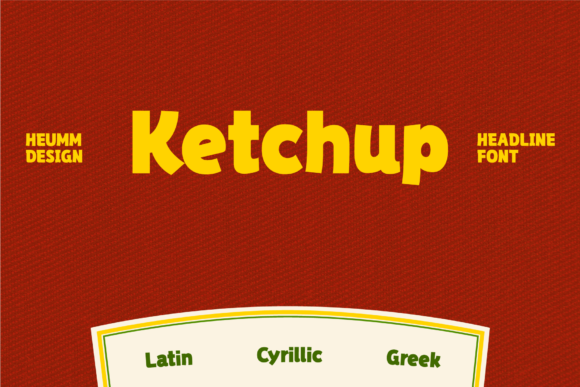
Hu Ketchup is a distinctive display font that stands out for its dynamic, waving strokes reminiscent of a flowing script. This unique characteristic gives it a sense of motion and energy, making it ideal for projects that require visual emphasis or a nostalgic aesthetic. Unlike more rigid typefaces, Hu Ketchup adds a touch of personality and fluidity, which can elevate the design of anything from logos to packaging.
What Makes Hu Ketchup Distinct?
At first glance, Hu Ketchup appears to be a simple script font, but its design carries subtle intricacies that set it apart. The font’s waving strokes create a sense of rhythm and flow, making it particularly effective for headlines, titles, and other elements where visual impact is key. Its organic feel contrasts with the sharp lines of many modern fonts, offering a refreshing alternative for designers looking to add a retro or artisanal touch to their work.
The versatility of Hu Ketchup lies in its ability to convey both elegance and informality. It works well in contexts where a handwritten or artistic style is desired, such as in food branding, event invitations, or creative artwork. However, its stylistic nature means it may not be suitable for all applications, especially those requiring clarity and readability at smaller sizes.
Comparing Hu Ketchup with Similar Fonts
When evaluating display fonts, Hu Ketchup falls into a category that includes other script-style typefaces like Brush Script, Lobster, and Pacifico. While these fonts share some similarities, each has its own strengths and limitations. For example, Brush Script offers a more traditional cursive look, while Lobster provides a bold, modern appearance. Hu Ketchup, on the other hand, strikes a balance between fluidity and legibility, making it a strong choice for projects that need both visual appeal and functional readability.
Compared to more geometric or sans-serif fonts, Hu Ketchup brings a humanized quality that can make designs feel more approachable. However, this same trait might not align with the clean, minimalist aesthetics favored in certain industries, such as technology or finance. Designers should consider the tone and message they want to convey when choosing between Hu Ketchup and other options.
Best Fit for Retro Vibe Projects
One of the most compelling use cases for Hu Ketchup is in designs that aim to evoke a retro or vintage atmosphere. Its waving strokes and organic form are reminiscent of old-timey signage, comic book titles, and classic advertisements. This makes it an excellent fit for businesses or artists looking to create a nostalgic brand identity.
For instance, a café aiming to recreate the ambiance of a 1950s diner might use Hu Ketchup for its menu headers or signage. Similarly, a music band with a retro sound could incorporate the font into album art or promotional materials. In these scenarios, Hu Ketchup enhances the overall aesthetic without overpowering the design.
Practical Applications Beyond Retro Themes
While Hu Ketchup is often associated with retro styles, its adaptability extends to other creative fields. Food packaging, for example, benefits from its expressive strokes, which can add a playful or artisanal feel to product labels. A small bakery or artisanal sauce company might use Hu Ketchup to highlight the name of a special item or to create a signature logo.
In addition, the font can be used in digital media, such as social media posts, banners, or web headers. Its visual appeal helps draw attention without being too distracting. However, designers should test the font at different sizes and in various contexts to ensure it maintains its intended effect.
Considerations for Different Use Cases
When deciding whether to use Hu Ketchup, it’s important to evaluate the specific needs of the project. For high-impact headlines or artistic expressions, the font excels. However, for body text or detailed information, it may not be the best option due to its decorative nature. In such cases, pairing Hu Ketchup with a simpler, more readable font can provide a balanced composition.
Another factor to consider is the target audience. A younger demographic may respond more positively to the font’s energetic and expressive qualities, while a more professional or formal audience might prefer a cleaner, more structured typeface. Understanding the preferences of the intended viewers can help determine whether Hu Ketchup is the right choice.
Limitations and Tradeoffs
No font is perfect for every situation, and Hu Ketchup is no exception. One of its main limitations is its suitability for large blocks of text. The font’s intricate strokes can become difficult to read when used in extended paragraphs, which restricts its application to short phrases or headings. Additionally, the font may not render consistently across all devices or platforms, depending on how it is implemented.
Designers should also be mindful of the cultural or contextual implications of using a stylized font. In some cases, the casual or informal nature of Hu Ketchup may not align with the brand’s voice or the expectations of the audience. It’s essential to review the overall design strategy before finalizing the use of the font.
When to Choose Hu Ketchup and When to Explore Alternatives
Hu Ketchup is an excellent choice when the goal is to add a unique, expressive element to a design. It shines in situations where visual interest and a sense of movement are important, such as in logos, banners, or creative artwork. For projects that require a strong, memorable identity, the font can be a powerful tool.
However, there are scenarios where another font might be more appropriate. If the design demands clarity, simplicity, or a more neutral tone, alternatives like Arial, Helvetica, or Roboto could be better suited. In cases where the font’s decorative features might overshadow the message, a more restrained typeface could offer a more effective solution.
Ultimately, the decision to use Hu Ketchup should be based on a careful assessment of the project’s goals, audience, and context. By considering these factors, designers can make informed choices that enhance the overall effectiveness of their work.