Eggcup: The Bold Display Font for Fun Branding
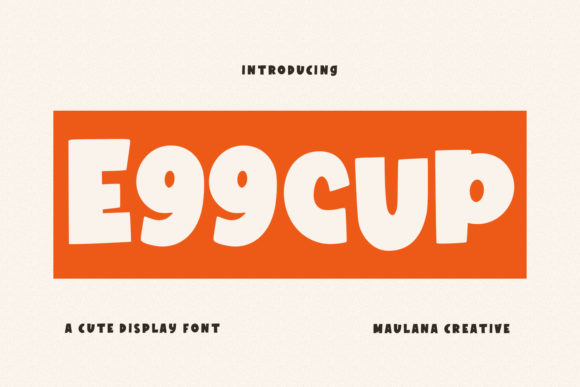
There is a specific kind of energy that thick, rounded letters bring to a design project. It feels approachable, slightly nostalgic, and undeniably cheerful. Eggcup captures this vibe perfectly. As a cool, thick-lettered display font, it stands out not because it shouts, but because it smiles. In a digital landscape often cluttered with sterile sans serif options and overly serious serif fonts, finding a typeface that injects genuine personality without sacrificing legibility is a win for any creative professional.
This isn't just another decorative font you download and forget. Eggcup is built for utility across a surprising range of mediums. Whether you are a small business owner trying to differentiate your packaging or a blogger looking to spice up your headers, this typeface offers a distinct visual voice. Its chunky structure makes it ideal for headlines where you need immediate impact, while its playful curves soften the overall tone of the message. Let's dive into how this font can elevate your next creative endeavor.
Visual Character and Design Personality
At first glance, Eggcup reads as a modern take on vintage signage. The strokes are substantial, giving the letters a heavy presence on the page or screen. This weight is crucial for a display font; it ensures that even at smaller sizes, the characters retain their shape and authority. However, unlike many bold fonts that feel aggressive or industrial, Eggcup maintains a softness in its terminals and corners. This subtle rounding prevents the text from feeling too rigid, creating a friendly invitation rather than a command.
The personality of Eggcup leans heavily towards the whimsical side of modern typography. It shares some DNA with handwritten fonts in its organic feel, yet it possesses the structural consistency of a professionally crafted typeface. This balance is rare. Many "fun" fonts suffer from irregular spacing or awkward kerning that makes them unusable for anything beyond a single word. Eggcup, however, is engineered with careful attention to letterforms, ensuring that when you string words together, they flow naturally. This makes it a reliable creative font for projects requiring more than just a logo mark.
Visually, the font exudes confidence. It doesn't need embellishments like swashes or excessive ligatures to make a statement. The sheer thickness of the characters does the heavy lifting. When used in black or dark colors, it creates a strong anchor in a layout. When reversed out of a colorful background, it pops with an energetic vibrancy. This versatility allows designers to use it in both minimalistic settings and maximalist compositions without it losing its identity.
Strategic Applications Across Industries
So, where does Eggcup actually fit in a professional workflow? Its primary strength lies in brand identity work for companies that want to appear accessible and human. Think of local coffee shops, boutique bakeries, children's product lines, or craft breweries. These brands benefit immensely from a logo that feels handmade yet polished. Using Eggcup for logo design in these sectors can instantly communicate a brand's values of warmth and community.
Beyond branding, the font shines in packaging design. On a shelf crowded with competitors, a package featuring thick, friendly lettering draws the eye faster than one using a standard corporate font. It suggests that the product inside is special, perhaps artisanal or made with care. For entrepreneurs selling goods on platforms like Etsy or at local markets, applying Eggcup to labels and tags can elevate the perceived value of the item.
In the realm of digital content, bloggers and social media managers will find Eggcup invaluable for creating scroll-stopping graphics. Social media algorithms favor engagement, and visuals that evoke emotion perform better. A quote card or promotional banner using this font feels less like an ad and more like a personal note. Similarly, for editorial design such as magazines or zines, Eggcup works exceptionally well for pull quotes and section headers, breaking up dense text blocks and guiding the reader's eye through the narrative.
It is also a fantastic choice for personal projects that require a touch of flair. Wedding invitations, birthday cards, and family planners all benefit from the celebratory nature of the typeface. Even photo albums look more curated when the captions and titles are set in a font that matches the joy of the memories captured. The key is recognizing that while Eggcup is fun, it is robust enough to handle commercial applications where professionalism matters.
Maximizing Impact with Pairing and Hierarchy
Like any powerful design tool, the effectiveness of Eggcup depends on how you use it. Because it is a display font, it should generally be reserved for headings, titles, and short bursts of text. Using it for long paragraphs would overwhelm the reader and reduce readability. To create a balanced composition, you need to pair it with a complementary body font. A clean, neutral sans serif font often works best here, providing a quiet backdrop that lets Eggcup sing. Alternatively, a classic serif font can add a touch of sophistication if you are aiming for a retro-modern aesthetic.
When establishing visual hierarchy, leverage the weight of Eggcup. Make your primary headlines significantly larger than your subheads to create a clear path for the viewer. The thickness of the letters means they hold their own even when surrounded by white space, so don't be afraid to let the design breathe. Crowding this font diminishes its impact; giving it room to expand enhances its friendly character.
Readability is another critical factor. While the style is distinct, ensure there is sufficient contrast between the text color and the background. Eggcup performs beautifully in dark text on light backgrounds or vice versa. Avoid placing it over busy patterns or low-contrast images, as the intricate details of the thick strokes might get lost. Always test your designs on different devices, especially for web design and social media graphics, to ensure the font renders clearly on mobile screens where space is limited.
Practical Considerations for Professionals
Before integrating Eggcup into a client project or a commercial product, it is essential to review the licensing terms. As a commercial font, it likely comes with specific guidelines regarding usage rights for print, digital, and merchandise. Ensuring you have the correct license protects you and your clients from legal issues down the road. Most premium font foundries provide clear documentation, but it never hurts to double-check if your intended use—such as embedding in an app or printing on thousands of t-shirts—is covered.
Furthermore, consider the longevity of your design choices. Trends in modern typography shift quickly, but fonts with strong foundational shapes tend to age better. Eggcup's reliance on basic geometric forms mixed with organic curves gives it a timeless quality that avoids looking dated in a few years. This makes it a smart investment for brand assets that need to remain consistent over time.
Finally, experiment with color. While black is classic, Eggcup truly comes alive when paired with vibrant hues. Don't hesitate to try pastel shades for a softer look or neon tones for high-energy campaigns. The thickness of the letters provides ample surface area for color to make an impression. By treating the font as a central design element rather than an afterthought, you unlock its full potential to engage audiences and convey your message with clarity and charm.
In summary, Eggcup is more than just a set of letters; it is a tool for connection. Whether you are crafting a brand identity, designing a greeting card, or laying out a blog post, this font offers the perfect blend of fun and function. Its ability to command attention while maintaining a welcoming demeanor makes it a standout choice in any designer's toolkit. Add it to your collection of design assets and watch how it transforms the tone of your work.