Minetta: A Bold Brush Display Font for Urban Style
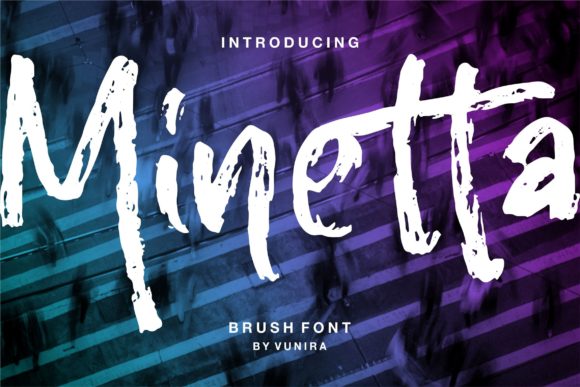
Minetta is a brush display font that brings a modern, urban aesthetic to any design project. With its dynamic strokes and expressive character, it's ideal for applications where visual impact and style are key. Whether you're creating invitations, greeting cards, branding materials, or posters, Minetta offers a unique way to convey energy and creativity.
What Is Minetta?
Minetta is a typeface designed with a hand-painted, brush-like appearance. It mimics the natural flow of a brush stroke, giving it a casual yet sophisticated look. The font features varying line weights and a slightly irregular texture, which adds a sense of authenticity and movement. This makes it stand out from more rigid, geometric fonts that dominate many design projects.
The font is available in multiple weights, allowing users to adjust the visual weight based on their needs. Its versatility ensures that it can be used in both large-scale designs, such as posters, and smaller formats like business cards or social media graphics.
Why Someone Might Be Interested in Minetta
Designers and creatives often seek fonts that add personality and visual interest to their work. Minetta appeals to those looking for a font that feels authentic and expressive. Its urban style makes it particularly suitable for projects targeting younger audiences or those with a contemporary, edgy vibe.
For businesses or individuals looking to create a strong brand identity, Minetta can serve as a signature font. Its boldness helps make logos, headlines, and other key elements stand out, while still maintaining readability in most contexts.
Additionally, Minetta's brush-like style makes it a good choice for projects that require a handmade or artisanal feel. It can bring a sense of warmth and individuality to otherwise digital designs, making them more engaging and memorable.
Benefits of Using Minetta
One of the main advantages of Minetta is its ability to add visual interest without overwhelming the design. Its organic shape and fluid lines help break up monotony in layouts, making it ideal for headings, titles, and other focal points.
The font also works well in both digital and print formats. Its clarity at different sizes ensures that it remains legible even when used in smaller text blocks. This flexibility allows it to be used across a wide range of design applications.
Another benefit is its ease of use. Many font platforms offer Minetta in standard formats, making it accessible to designers with varying levels of experience. Its availability in multiple weights also gives users more control over how they incorporate it into their designs.
Tradeoffs and Considerations
While Minetta has many strengths, it may not be the best choice for every project. Its brush-like appearance can sometimes reduce readability, especially in long paragraphs of text. For this reason, it's generally recommended for use in short, impactful text rather than body copy.
Designers should also consider the context in which the font will be used. In more formal or traditional settings, Minetta's urban style might not align with the desired tone. It's important to match the font's personality with the overall message and audience of the project.
Additionally, the font's unique style may require some adjustment when pairing it with other typefaces. Careful selection of complementary fonts can help maintain balance and cohesion in the design.
Situations Where Minetta Fits Well
Minetta is an excellent choice for projects that aim to convey energy, creativity, or a modern edge. It works well in graphic design for events, such as weddings, parties, or concerts, where a stylish and eye-catching font is needed.
Branding initiatives that want to emphasize a youthful or innovative image can benefit from using Minetta as a primary or secondary font. Its distinct look helps create a memorable brand identity that stands out in a competitive market.
For social media content, Minetta can add a visually appealing element to posts, banners, or profile pictures. Its boldness makes it suitable for attention-grabbing headlines or captions that need to stand out in a crowded feed.
Situations Where Alternatives May Be Better
In cases where clarity and simplicity are more important than style, alternative fonts may be more appropriate. For example, in professional documents, presentations, or websites that require high readability, a sans-serif or serif font might be a better fit.
Projects that require a more traditional or classic look may also benefit from using a different typeface. Fonts with a more structured appearance can provide a sense of stability and timelessness that Minetta's urban style does not.
When working with multilingual content, it's important to check if Minetta supports all necessary characters. Some brush-style fonts may have limited glyph coverage, which could affect usability in certain languages.
Practical Decision-Making Insights
Before deciding to use Minetta, consider the purpose of the design and the intended audience. Ask yourself whether the font's style aligns with the message you want to convey. If the goal is to create a bold, energetic look, Minetta can be a strong choice.
Testing the font in different contexts is also advisable. Experiment with how it looks in various sizes, colors, and backgrounds to ensure it meets your design goals. This can help identify any potential issues before finalizing the project.
Finally, think about the long-term use of the font. If it's being used for a brand or ongoing project, ensure that it will remain relevant and effective over time. While Minetta's style is currently popular, trends can shift, so it's important to choose a font that suits both current and future needs.