Wooded Font: Organic Style for Modern Designs
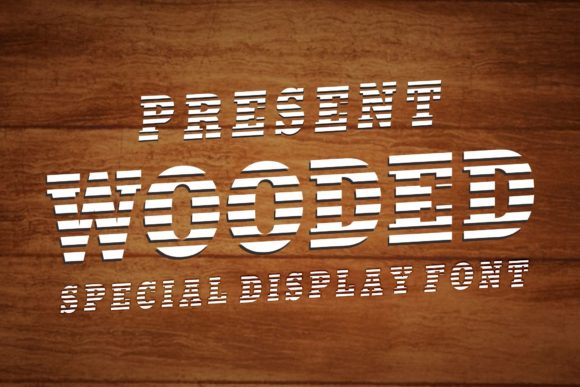
Imagine a typeface that feels like it was carved by hand yet typeset with digital precision. That is the essence of Wooded, a unique display font that bridges the gap between rustic charm and contemporary design needs. In a world where screens often feel sterile and overly polished, there is a growing hunger for textures that feel human, tactile, and alive. Wooded delivers exactly that with its rough yet fresh organic vibe, making it an ideal choice for projects ranging from handmade crafts to high-impact digital marketing campaigns.
What sets this font apart is not just its aesthetic, but its versatility. While many "grunge" or "distressed" fonts can be difficult to read or limited to specific niches, Wooded maintains a surprising level of legibility while retaining its character. It works exceptionally well on t-shirts, posters, logos, and social media graphics where standing out is paramount. However, understanding whether this tool fits your specific workflow requires looking beyond the visual appeal and considering how different creators prioritize functionality, speed, and emotional resonance.
Why the Organic Aesthetic Matters Today
The shift toward organic design elements reflects a broader cultural movement valuing authenticity over perfection. For marketers and small business owners, this is not merely a stylistic choice; it is a strategic one. Consumers are increasingly skeptical of corporate, cookie-cutter branding. They respond better to visuals that suggest a human touch, implying that there are real people behind the product. Using a font like Wooded can subtly communicate values of sustainability, craftsmanship, and approachability without saying a word.
Conversely, for digital designers and freelancers, the priority often lies in flexibility and technical performance. A display font must hold up across various mediums. Will it render clearly on a mobile screen? Does it have enough weight to pop against a busy background? Wooded's design ensures that the rough edges do not compromise clarity, allowing professionals to deploy it confidently in diverse environments, from website headers to large-format printing.
Tailoring Usage to Your Skill Level and Goals
Different users approach typography with different mindsets. What matters to a hobbyist creating a weekend project differs significantly from what a publisher needs for a commercial release. Here is how Wooded serves various segments of the creative community:
- Beginners and Hobbyists: If you are new to design, your primary concern is likely ease of use. You want a font that looks great immediately without requiring complex kerning adjustments or layering techniques. Wooded is forgiving; its inherent texture hides minor alignment imperfections, allowing novices to create professional-looking crafts, greeting cards, or home decor items with minimal effort.
- Entrepreneurs and Brand Owners: For those launching a startup, the focus is on brand identity and long-term value. You need a typeface that defines your niche. If your business revolves around outdoor gear, organic foods, or artisanal coffee, Wooded provides an instant atmospheric fit. The decision here hinges on whether the font's personality aligns with your brand story, ensuring consistency across packaging and advertising.
- Professional Designers: Experienced creatives often look for nuance. They evaluate how a font interacts with other typefaces, its glyph set, and its potential for customization. Wooded offers a distinct texture that can be layered or masked to create depth in poster designs. Professionals might use it as a headline element paired with a clean sans-serif body text to create a dynamic visual hierarchy.
- Educators and Content Creators: Teachers and bloggers often need to capture attention quickly. In educational materials or blog headers, a standard font might get ignored. An organic display font can signal creativity and break the monotony of text-heavy pages, making content more engaging for students and readers alike.
Practical Applications Across Industries
The true test of any typeface is its application in real-world scenarios. Because Wooded balances roughness with freshness, it avoids looking dated or overly gritty, which expands its utility.
Consider the apparel industry. T-shirt designs rely heavily on typography to convey messages. A band name, a slogan, or a graphic element printed in Wooded instantly gains a vintage, worn-in feel that appeals to fashion-conscious consumers. The texture mimics the look of ink settling into fabric, reducing the need for complex distressing effects in post-production.
In the realm of event planning and posters, visibility is key. Whether promoting a music festival, a farmer's market, or a workshop, the font needs to command attention from a distance. Wooded's bold strokes and irregular edges create a silhouette that stands out against both light and dark backgrounds. This makes it a reliable choice for flyers and digital event banners where immediate impact is necessary.
For publishers and authors, particularly those in the self-publishing space, cover design is the single most important marketing tool. A book about nature, survival, history, or DIY projects can benefit immensely from the organic vibe of Wooded. It suggests a narrative that is grounded and raw, enticing readers who are looking for authentic stories rather than polished fiction.
Evaluating Fit: Is This Font Right for Your Project?
Before integrating Wooded into your workflow, ask yourself a few critical questions regarding your project's intent. Are you aiming for a sleek, futuristic look? If so, this organic style might clash with your goals. However, if your objective is to evoke warmth, nostalgia, or a connection to nature, it is likely an excellent match.
Cost and licensing are also practical considerations for freelancers and agencies. While the aesthetic is free to admire, ensuring you have the correct license for commercial use—such as selling t-shirts or using it in client logos—is essential. Professionals should always verify usage rights to avoid legal complications down the line. For hobbyists using the font for personal crafts, these restrictions are usually less stringent, but checking the specific terms remains a best practice.
Furthermore, consider the long-term usefulness of the font. Trends in typography come and go, but the desire for human-centric design tends to endure. A font that feels "handmade" often ages better than one that relies on fleeting stylistic gimmicks. Investing time in learning how to pair Wooded with complementary fonts can yield dividends for years, creating a signature style for your brand or portfolio.
Making the Most of Organic Typography
To truly leverage the potential of Wooded, experiment with color and texture. Because the font already possesses a rough edge, pairing it with solid, flat colors can create a striking contrast. Alternatively, placing it over photographic backgrounds that share similar earthy tones can create a cohesive, immersive experience. The key is to let the font breathe; do not overcrowd the design with too many competing elements.
Ultimately, the value of Wooded lies in its ability to adapt to your specific vision. Whether you are a student designing a thesis poster, a marketer launching a new eco-friendly product line, or a crafter selling goods at a local fair, this typeface offers a versatile foundation. It invites you to embrace imperfection and use it as a strength, reminding your audience that behind every design, there is a human story waiting to be told.
By understanding your own priorities—be it speed, aesthetic alignment, or commercial viability—you can determine if Wooded is the missing piece in your creative puzzle. It is more than just letters on a screen; it is a tool for connection, designed to bring a touch of the natural world into your digital and physical creations.