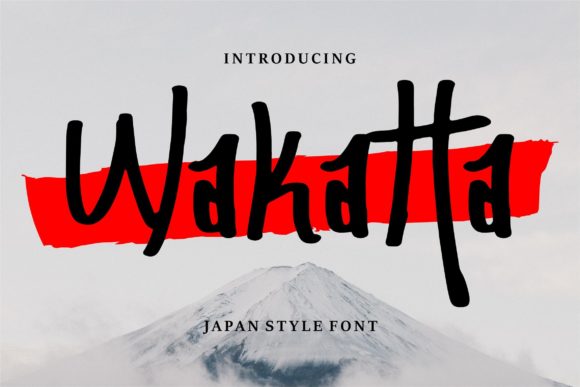
Wakatta: A Japanese-Inspired Display Font for Elegant Design
If you're looking for a font that brings a touch of traditional Japanese artistry to your design projects, Wakatta is the perfect choice. This unique display font captures the essence of hand-drawn calligraphy with a modern twist, making it ideal for a wide range of applications. Whether you're designing invitations, branding materials, or digital content, Wakatta adds a refined and authentic aesthetic that stands out.
What Makes Wakatta Stand Out?
Wakatta isn't just another font—it's a visual statement. Its design draws inspiration from traditional Japanese writing styles, blending the fluidity of brush strokes with clean, readable lines. The result is a font that feels both artistic and functional. Each character is crafted with care, ensuring that it maintains its beauty in both large and small sizes.
One of Wakatta's most appealing features is its versatility. It works well in both digital and print formats, adapting seamlessly to different mediums. Its strong visual presence makes it a great option for headlines, logos, and other prominent text elements where style and clarity are important.
Key Characteristics of Wakatta
Wakatta's design is rooted in Japanese typography, but it also incorporates modern sensibilities that make it accessible for a broad audience. Here are some of its defining traits:
- Handcrafted Aesthetic: Wakatta mimics the natural flow of brush strokes, giving it an organic feel that feels personal and authentic.
- High Readability: Despite its artistic flair, Wakatta remains easy to read, even at smaller sizes.
- Rich Detailing: The font includes subtle variations in stroke weight and curvature, adding depth and character to each letter.
- Modern Adaptability: Wakatta is designed to work well in both traditional and contemporary design contexts.
Practical Applications of Wakatta
Wakatta's unique style makes it suitable for a variety of design needs. Here are some common use cases:
Invitations and Greeting Cards
For weddings, birthdays, or special events, Wakatta adds a refined and elegant touch to invitations and greeting cards. Its Japanese-inspired look can evoke a sense of tradition and cultural appreciation, making it a great choice for themed events or international audiences.
Branding and Business Materials
Businesses looking to create a distinctive identity can benefit from Wakatta. It works well on business cards, letterheads, and promotional materials, offering a fresh alternative to more standard fonts. Its visual appeal helps brands stand out while maintaining professionalism.
Quotes and Posters
Whether you're creating motivational posters, art prints, or social media graphics, Wakatta enhances the visual impact of text. Its expressive style makes it ideal for displaying quotes, slogans, or key messages with a creative edge.
Web and Digital Content
In digital environments, Wakatta can be used for headings, banners, or website titles. Its clean structure ensures it looks sharp on screens, while its unique style helps capture attention and convey a sense of sophistication.
Benefits of Using Wakatta
Choosing Wakatta offers several advantages that go beyond aesthetics. Its design not only looks good but also serves practical purposes in various scenarios:
- Enhanced Visual Appeal: Wakatta elevates the look of any project, making it more engaging and memorable.
- Improved Brand Identity: By using a distinctive font, businesses and creators can differentiate themselves and build a stronger brand presence.
- Increased Engagement: Eye-catching text can draw attention and encourage interaction, whether in print or online.
- Flexibility Across Mediums: Wakatta adapts well to different formats, making it a reliable choice for diverse design needs.
Considerations When Using Wakatta
While Wakatta is highly versatile, it's important to consider how it fits into your overall design strategy. Here are a few tips for effective use:
- Use Sparingly: Due to its bold and stylized nature, Wakatta works best as a headline or accent font rather than for long blocks of text.
- Pair Thoughtfully: Combine it with simpler, more neutral fonts to balance its visual impact and ensure readability.
- Test in Different Sizes: Make sure it looks good at the intended size and in the final medium, whether print or digital.
- Respect Cultural Context: If using Wakatta for Japanese-themed designs, ensure it aligns with the cultural nuances you're aiming to represent.
Real-World Examples of Wakatta in Action
Many designers and businesses have successfully incorporated Wakatta into their work. For instance, a boutique wedding planner might use it on invitation suites to add a touch of elegance and cultural flair. A tech startup could use it in a logo to convey creativity and innovation. An artist might feature it in a gallery poster to highlight the theme of their exhibition.
These examples show how Wakatta can be adapted to different industries and purposes. Its ability to blend tradition with modern design makes it a valuable tool for anyone looking to make a visual statement.
Final Thoughts on Wakatta
If you're looking for a font that combines beauty, functionality, and cultural inspiration, Wakatta is an excellent choice. Its unique style sets it apart from generic typefaces, offering a fresh and expressive way to present text. Whether you're a designer, marketer, educator, or entrepreneur, Wakatta can help elevate your work and leave a lasting impression.