Hieroglyphs: A Strategic Choice for Visual Communication
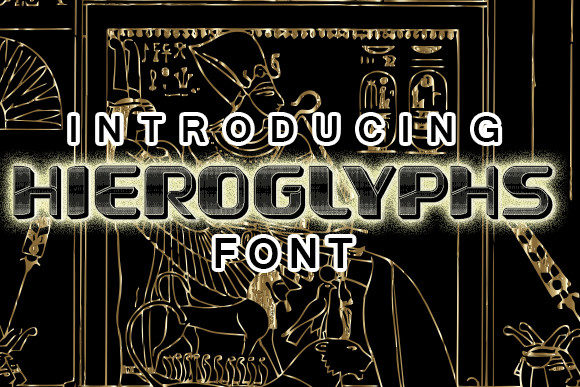
Hieroglyphs is more than just a font—it's a design tool that can elevate your visual communication strategy. With its unique blend of gradients and rounded edges, this deco-type display font offers a modern aesthetic that stands out in a crowded market. Whether you're designing a poster, flyer, or branding element, Hieroglyphs provides a fresh and dynamic look that can enhance your creative output.
Understanding the strategic value of Hieroglyphs means recognizing how typography influences perception, engagement, and brand identity. In an era where first impressions matter, choosing the right font can make a significant difference in how your message is received. Hieroglyphs isn't just about style—it's about making intentional decisions that align with your goals.
Why Hieroglyphs Matters in Design Strategy
Typography is a critical component of visual storytelling. It shapes how audiences interpret information and interact with content. When selecting a font like Hieroglyphs, it's important to consider how it supports your broader design objectives. This font's gradient effects and soft edges create a sense of approachability and creativity, making it ideal for projects that aim to inspire or engage.
For entrepreneurs and marketers, the strategic use of Hieroglyphs can help differentiate a brand in a competitive landscape. By incorporating this font into marketing materials, you signal innovation and attention to detail. However, it's not a one-size-fits-all solution. The key is to evaluate whether the font aligns with your target audience's expectations and the overall tone of your messaging.
From a practical standpoint, Hieroglyphs can be used to highlight key messages, create visual hierarchy, or add a touch of personality to otherwise standard designs. Its versatility makes it suitable for a wide range of applications, from digital banners to print media. But like any design element, its effectiveness depends on how it's implemented.
When to Use Hieroglyphs: Practical Scenarios
Hieroglyphs shines in scenarios where visual impact is a priority. For instance, when creating promotional flyers for events, products, or services, this font can draw attention and convey energy. Its rounded edges soften the appearance, making it less aggressive than some other display fonts while still maintaining a strong presence.
Consider using Hieroglyphs when you want to communicate a sense of creativity or modernity. It works well for brands targeting younger demographics or industries that value artistic expression. However, it may not be the best choice for formal or traditional contexts where simplicity and clarity are paramount.
Another scenario where Hieroglyphs can be strategically useful is in digital marketing campaigns. On social media platforms or website headers, the font can serve as a visual anchor that reinforces brand identity. Pairing it with complementary elements—such as bold colors or minimalist layouts—can amplify its impact and create a cohesive visual language.
How to Approach Hieroglyphs Intentionally
Using Hieroglyphs without a clear plan can lead to inconsistent or unprofessional results. To maximize its potential, start by defining your design goals. Ask yourself: What message do I want to convey? Who is my audience? How does this font support my overall strategy?
One effective approach is to use Hieroglyphs selectively. Rather than applying it across all text elements, reserve it for headings, titles, or call-to-action sections. This helps maintain visual balance while allowing the font to stand out where it matters most.
Another consideration is legibility. While Hieroglyphs is visually appealing, it's important to ensure that it remains readable in different sizes and formats. Test it in various contexts—such as mobile screens or printed materials—to confirm that it meets your standards for clarity and functionality.
Finally, think about how Hieroglyphs fits into your broader design system. If you're working with a brand that has established visual guidelines, assess whether this font complements or disrupts the existing aesthetic. Consistency is key to building a strong and recognizable brand presence.
Strategic Observations and Decision-Making
The decision to use Hieroglyphs should be part of a larger design and marketing strategy. It's not just about aesthetics—it's about making choices that align with your business objectives and audience preferences. For example, if your goal is to increase engagement, a visually striking font like Hieroglyphs can help capture attention and encourage interaction.
However, it's also important to recognize the limitations of this font. It may not be suitable for long-form text or situations where precision and readability are critical. In such cases, pairing it with a more conventional font can provide a balanced and professional look.
From a planning perspective, consider how Hieroglyphs integrates with other design elements. Does it work well with your color palette? How does it interact with images or icons? These questions help ensure that the font enhances rather than detracts from your overall design.
Risks of Using Hieroglyphs Without Clear Goals
Without a strategic framework, using Hieroglyphs can lead to wasted resources and ineffective communication. For instance, applying it randomly across multiple elements may dilute its impact and confuse your audience. Similarly, using it in inappropriate contexts—such as formal reports or legal documents—can undermine credibility and professionalism.
Another risk is over-reliance on visual appeal at the expense of substance. A beautifully designed piece that lacks clarity or relevance fails to achieve its purpose. Always ask whether the font serves a functional role in your design or if it's being used purely for stylistic reasons.
To avoid these pitfalls, take time to evaluate your needs before implementing Hieroglyphs. Conduct user testing, gather feedback, and refine your approach based on real-world performance. This iterative process ensures that your design decisions are both creative and effective.
Long-Term Value and Branding Considerations
When used thoughtfully, Hieroglyphs can contribute to long-term brand recognition. Consistent use of a distinctive font helps build a memorable identity that resonates with your audience. Over time, this can foster trust, loyalty, and a stronger connection between your brand and its customers.
However, consistency requires discipline. Avoid changing fonts frequently or using them in conflicting ways. Instead, establish a clear set of guidelines for when and how to use Hieroglyphs. This ensures that your brand maintains a cohesive and professional image across all channels.
Finally, remember that design is an evolving field. Stay informed about trends, user preferences, and technological advancements that may influence how fonts are used. By remaining adaptable and open to change, you can continue to leverage Hieroglyphs effectively in the future.
Conclusion: Making Better Decisions with Hieroglyphs
Hieroglyphs is a powerful tool when used with intention and strategy. It offers a unique combination of style and functionality that can enhance your visual communication efforts. However, its success depends on how well it aligns with your goals, audience, and overall design approach.
By approaching Hieroglyphs with a thoughtful and practical mindset, you can unlock its full potential and achieve better results. Whether you're a designer, marketer, or business owner, understanding how to use this font strategically can make a meaningful difference in your work.
Ultimately, the key to success lies in making informed decisions that reflect your values, priorities, and long-term vision. With the right approach, Hieroglyphs can become a valuable asset in your design toolkit and a source of inspiration for your creative projects.